The Cardboard Shelf
← Guides

How to Store Board Games Long-Term

Putting a collection away for months or years? How to protect boxes, boards, and cards from humidity, heat, and pests while they're in storage.

The enemy is the environment, not time

Games don't degrade just from sitting — they degrade from where they sit. Over months and years, humidity curls cards and warps boards, heat softens plastic and glue, sunlight fades art, and pests chew cardboard. Long-term storage is mostly about choosing the right space and sealing games against those threats. Get the environment right and a collection comes out of storage exactly as it went in; get it wrong and you can lose boxes to mold or components to warping without ever opening a lid.

Plano 2-3700-01 2" Clear Adjustable Divider Stowaway® Organizer
Stackable Component Organizer Box (adjustable dividers)
Plano-style tackle boxes with movable dividers — the cheap, universal fix for loose tokens and cards.
View on Amazon →
Affiliate link — as an Amazon Associate we earn from qualifying purchases, at no extra cost to you.

Pick the right space

Climate is the single biggest factor in long-term storage. Hobbyists consistently rank moisture as the number-one enemy, so a stable, dry room beats a cheaper but damp or temperature-swinging space every time.

  • Aim for cool, dry, and stable — a closet or interior room beats a garage, attic, or basement.
  • Avoid humidity: it curls cards, swells boxes, and invites mildew over time.
  • Avoid heat swings: attics and garages cycle hot and cold, warping boards and softening plastics.
  • Keep games out of direct sunlight, which fades box art and card backs over the long term.
  • Leave an air gap between shelving and any cold exterior wall, since trapped air against a cold surface encourages mold.

Use sealed totes, not cardboard

The most-repeated long-term mistake is storing cardboard game boxes inside cardboard moving boxes in an uncontrolled space — the outer cardboard wicks moisture and invites mold. Sealed plastic totes (Sterilite and similar rigid bins get named again and again) are far safer: they lock out humidity, pests, and water intrusion, and they don't collapse when stacked the way a damp cardboard box will. Drop a few silica gel or desiccant packets into every box and bin — it's cheap and the single most-recommended protection for a long hold. In a genuinely damp room, a small dehumidifier in the closet or wardrobe with the games earns its keep.

CAPHAUS Sturdy Room 13-Inch Cube Storage Organizer Shelf, with Extra Thick Exterior Edge, Open Storage Shelf Divider, Bookcase, 6-Cube / 8-Cube / 9-Cube, Colors Available in Rustic Grey Oak and White
Deep Cube Storage Shelf (board-game-box depth)
Open-cube shelving with ~13" cubes so most standard game boxes fit upright or flat.
View on Amazon →
Affiliate link — as an Amazon Associate we earn from qualifying purchases, at no extra cost to you.

Keep games off the floor and lightly loaded

Store bins and shelves raised a few inches off the floor so a leak, flood, or burst pipe doesn't reach the boxes — a habit worth keeping in any basement or storage unit. Inside the bins, stand game boxes upright with organized components where you can, so each box holds its own shape rather than slowly crushing flat under a stack. Don't pile boxes deep enough that the bottom layer takes the weight of everything above it, and put the heaviest big-box games at the bottom.

Mind heat and sunlight, not just damp

Moisture gets the most attention, but heat and light do quiet damage too. Some hobbyists report plastic components sweating or degrading in extreme heat, so keep plastic-heavy games out of hot attics and un-cooled storage units, especially through summer. UV is the reason many people prefer closed cabinets or opaque bins for anything stored where sun reaches — direct light fades box art and card backs over months. A closed bin in a stable interior space sidesteps both problems at once.
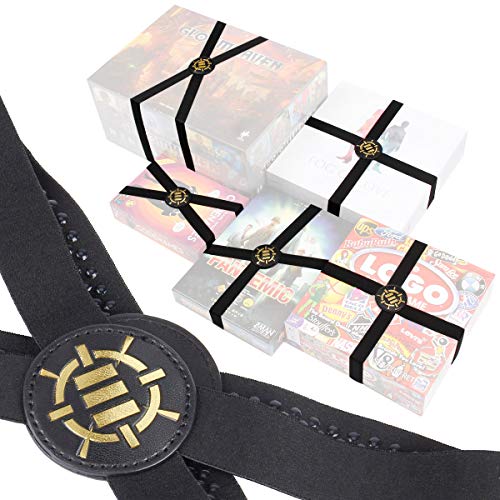
ENHANCE Board Game Bands - Elastic Box Bands with Durable Textured Grip to Keep Lids Closed on Board Boxes, Tabletop/Card Games Without Rubbing During Travel & Storage (Set of 5)
Board Game Box Bands (elastic, set of 5)
Textured elastic bands that hold game lids shut for shelving and travel, without the sticky mess old rubber bands leave behind.
View on Amazon →
Affiliate link — as an Amazon Associate we earn from qualifying purchases, at no extra cost to you.

Check in occasionally

Long-term doesn't mean forget about it. If games are stored anywhere with any risk of damp or temperature swings, look in every few months — check or replace the desiccant packets, make sure nothing has bowed, leaked, or attracted pests, and air things out if needed. A quick check catches a humidity or pest problem while it's still fixable, instead of discovering a ruined collection when you finally pull the games back out.

Frequently asked questions

How do you store board games long-term?

Keep them in a cool, dry, stable space (a closet or interior room, not a garage, attic, or basement), secure loose components so they don't shift, and seal boxes in sturdy plastic totes with silica gel packets. Keep everything off the floor, leave an air gap off cold exterior walls, don't stack deep enough to crush the bottom layer, and check in every few months.

Is it OK to store board games in the basement or attic?

Only with precautions — basements bring humidity and attics bring heat swings, both of which damage games over time. If you must, use sealed plastic totes with desiccant packets, raise them off the floor, keep an air gap off cold walls, and check them periodically. A climate-controlled interior space is far safer.

How do I protect board games from humidity in storage?

Seal them in rigid plastic totes with silica gel or desiccant packs rather than cardboard moving boxes, which wick moisture and invite mold. Store the totes off the floor in the driest space you have, and add a small dehumidifier if the room stays damp. Humidity is the main long-term threat, so controlling it does the most to keep a stored collection intact.

Can I store board games in a garage?

It's the riskiest common choice — garages swing between hot and cold, hold humidity, and invite pests, all of which degrade games over time. If a garage is your only option, use sealed totes with desiccant, raise them off the concrete, keep them out of direct sun, and check them every few months. Climate-controlled space indoors is always the safer bet.

Do silica gel packets actually help stored board games?

Yes — they're the most-recommended cheap protection for long storage. A few packets in each box and bin absorb the ambient moisture that curls cards and warps boards, which matters most in basements, garages, and storage units. They lose capacity over time, so check or swap them when you look in on the collection.

Shop the category
Storage & Shelving

Shelving sized for game boxes and storage boxes for loose components and sleeved decks.

Browse picks →
Read next