Transport is where minis break
Most miniature damage doesn't happen on the shelf — it happens in the bag on the way to a game. Vibration and jostling snap thin weapons and antennae, and figures sliding loose chip each other's paint. Transporting minis safely comes down to one principle: lock every figure in place so nothing moves, then protect the whole package from the bumps of the journey. It's worth treating this as its own problem, separate from how you store minis at home.

Storage and transport are two different problems
A lot of hobbyists run two systems, and it's the right instinct. Home storage optimizes for cost and shelf efficiency — cheap magnetized tubs stacked on a shelf. Transport optimizes for getting a specific army to a venue and back undamaged. The two rarely have the same best answer, so decide which problem you're solving before you buy. Many keep the whole collection in tubs at home and move just the army they're playing into a dedicated transport case for the trip.
The DIY transport option
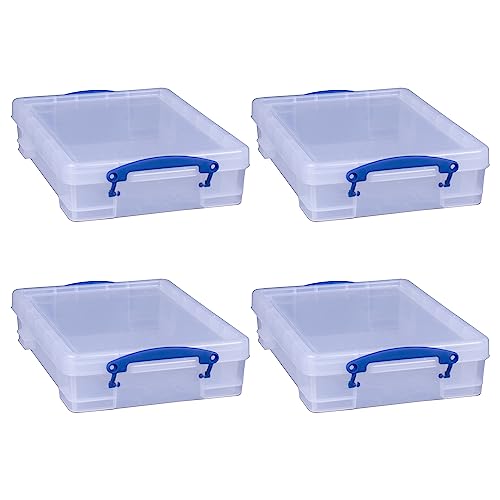
You don't need a branded case to travel safely. The same magnetic recipe that works at home travels fine: a sturdy plastic tub with a steel or magnetically-receptive sheet in the bottom, and magnets under your bases. For a car trip that's often all you need. Steel toolboxes are an even simpler DIY pick — many are already ferrous, so you skip gluing in a sheet entirely and just magnetize the bases; they're sturdy and won't warp in a hot car the way thin plastic can.
When a purpose-built case earns its price
A dedicated army-transport case does things a stack of tubs can't, and if you travel often those advantages are real:
- It stands on the floor, so it's not a trip hazard and you can set it down while you chat instead of holding a stack of bins.
- Dice, tape, cards, and snacks stow under the bottom tray, isolated from the models.
- It's easier to carry one-handed through doors, and it stacks and shows off the army.
- The trade-off is cost and, honestly, a bag or backpack strap on your tubs solves a lot of this for less — so weigh how often you actually carry an army before buying.
Heat, and don't skip magnetizing
Two failure modes hobbyists hit again and again. First, don't leave a plastic case in a hot car — the sides can bow enough that the metal trays slip and drop onto the models below. Aluminum cases and steel toolboxes don't have this problem. Second, remember that a magnetic transport case protects nothing unless you've magnetized your bases; the trays are just metal until your models grip them. Fill any empty space in a tray or case so half-full loads don't let models bounce.

Pack for the trip home, too
Half of transport damage happens on the return leg, when the careful packing from the morning has become a tired shove of models back into a case after a long day of gaming. Repack as snugly going home as you did coming out — reseat every model on its magnets or back into its pocket rather than letting a few ride loose on top. If you bought or painted new models at the event, make sure you've got space and padding for them instead of wedging them in. A couple of minutes repacking properly beats an evening of gluing antennae back on.
Flying with miniatures
Air travel is its own tier. The consensus is to keep minis in the cabin, not checked baggage, and to step up the protection: padded foam bags with a magnetic rack, or a hard case, rather than a thin plastic transport box you'd happily use for a car ride. Size the case to carry-on dimensions so it stays with you, lock every figure down, and pad any gaps. Some hobbyists have gate-checked purpose-built mini bags with no damage, but the safe default is a well-padded case that never leaves your hands.