One rule before you buy anything
The most important thing to understand about miniature cases: a magnetic case protects nothing unless you actually magnetize your bases. The metal trays inside these cases do nothing on their own — the protection comes entirely from the magnets under your models gripping those trays. Buy the fanciest magnetic-tray case on the market, skip magnetizing, and your models are just rattling around loose. Plan to magnetize first, then pick a case to match.

Plastic magnetic-tray cases
The popular budget-rigid pick, and for good reason.
- Vacuum-formed plastic shell with removable magnetic metal trays and usually a clear viewing window to show off the army.
- Hold a lot of models for the size, and often come with a fabric bag or backpack option.
- Watch for heat: left in a hot car, some plastic cases can bow at the sides, which lets the metal trays slip their grooves and drop onto the tray below.
- Latches vary — if a door won't stay shut, tightening the latch screws or adding a clip is the usual fix.
Aluminum cases
The sturdier step up from plastic. Aluminum magnetic-tray cases (Weliday is a commonly cited example) tend to arrive pre-assembled and riveted rather than needing erector-set assembly, run a little heavier, and don't bow in heat the way plastic can. Rounded corners and better-working latches are common upgrades. If you regularly leave a case in a warm car or just want something that feels solid for years, the extra weight buys real durability.
Premium foam systems and MDF budget cases
At the high end, premium foam makers (Battlefoam, Feldherr, KR Multicase) offer excellent protection and turnkey convenience — some pair foam with a magnetic rack so you get both. The trade-offs are cost and wasted space, and Feldherr's tiered tray depths matter if you store tall models like mechs. At the budget end, MDF cases (Green Stuff World and similar) are the value champions: modular, adjustable tray heights, often sold as a backpack. The catch is you assemble the MDF interior yourself, it's not as strong as metal, and most have no door — so no dust protection.
DIY: a box and a receptive sheet
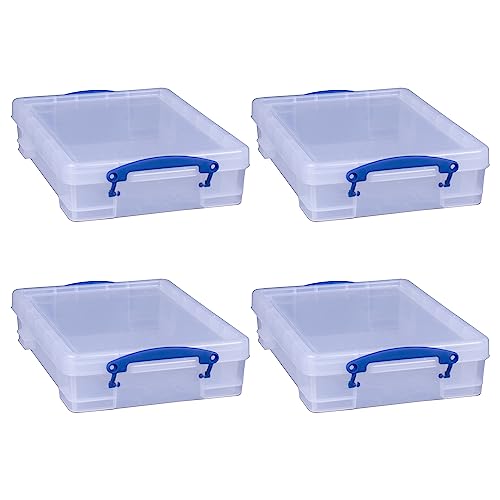
The community's favorite budget setup is a clear, stackable box with a steel or magnetically-receptive sheet cut to fit the bottom. Magnetize your bases and you get paint-safe, stackable, see-through storage for a fraction of a dedicated case. Really Useful Boxes are the go-to tub — flat bottoms, and the sizes that match A4 sheets drop a sheet straight in. It's not as travel-rugged as a hard case, but for home storage it's hard to beat and scales across as many boxes as your collection needs. Use receptive sheet, not fridge-magnet sheet.

The cheapest route: boxes that were never meant for miniatures
Before buying anything sold as a miniature case, look at the hardware and craft aisles. Three container types come up again and again, and all of them cost a fraction of a purpose-built case:
- Steel toolboxes — the sleeper pick. Because the body is already ferrous, you skip the sheet entirely: magnetize your bases and the models grip the floor of the box directly. Cantilever trays double as bit and paint storage. The trade-off is weight, which matters a lot if you walk or take transit to games, and tall models often won't clear the top tray.
- Tackle boxes and hardware parts organizers — the favorite for D&D and board game minis. Movable dividers are the whole point: you can group by unit and give long-weapon or tall figures their own longer bay, then re-cut the layout when the collection changes. Clear lids let you find a model without opening every box, and they stack.
- Household containers — biscuit and popcorn tins are already steel, so like toolboxes they need no sheet. Plastic egg cartons, cake carriers with handles, and stackable craft or scrapbook cases all get used for the same reason: cheap, the right depth for infantry, and easy to replace.
The hybrid is worth knowing about too. Glue a receptive sheet into a divider box, magnetize the bases, and pack any leftover void with foam offcuts — you get the sortability of dividers and the grip of a magnetic tray in a container that costs a fraction of either. It won't survive being dropped the way a rigid case will, but for home storage and short car trips it does the same job.

Match the case to your tall models
The models that break a case aren't the infantry — they're the tall ones. Banner-bearers, big single centerpieces, winged models on flying stems, and vehicles routinely bust the height of a standard tray. Before you buy, look at how a case handles them: some offer trays in more than one depth (Feldherr's tiered foam is a common example), some let you remove or reposition trays to open up a tall bay, and MDF cases usually let you set adjustable tray heights. If a case has one fixed shelf height and your army includes a couple of towering models, you'll end up buying a second box for them anyway — factor that in.
How to choose
Decide by use first. If you mostly store at home, cheap magnetized tubs or an MDF/foam case keep an army sorted and visible for little money. If you carry an army to games often, a rigid magnetic-tray case (plastic if budget matters, aluminum if durability does) earns its keep — especially with a bag or backpack option, which most owners say they can't live without. Whatever you pick, magnetize the bases; the case is only half the system.