The small-box problem
Small-box and card games create the opposite problem from big-box games: they're easy to store but easy to lose. Thin boxes slump and tip on a shelf, flimsy lids tear, and a stack of little games becomes an avalanche when you pull one out. And because they're mostly cards, the components inside take the most wear from shuffling. A bit of organization keeps them upright, sorted, and protected.

Keep them upright and contained
The trick is to corral small games so they support each other.
- Group small boxes upright in a bin, drawer, or magazine-style holder so they don't slump or tip.
- A divider box or shoebox-style container keeps a shelf of little games together instead of scattered.
- Stand boxes face-out on a tiered spice rack or repurposed CD rack so you can read every title at a glance.
- Keep heavier small boxes at the bottom of any group so light ones don't get crushed.

Subdivide a shelf or a cube
Small games waste space on a shelf built for big boxes, so the best fixes carve that space into small-game-sized slots. If you store on a cube shelf, drop-in inserts — a single extra shelf, a four-slot insert, or a small drawer unit — turn one cavernous cube into several mini-shelves that hold little boxes upright and visible. Over-the-door shoe organizers with pockets are a cheap favorite for the same job; translucent pockets keep games visible, though a stuffed one can stop the door closing. And if you have room for furniture, hobbyists repeatedly call wide, shallow drawers (around four inches tall) the best small-game solution there is — every box lies flat and readable with no small-box Tetris and no tipping.

Ditch the box when it makes sense — with one caveat
Many card games come in oversized boxes that are mostly air, and the flimsy boxes tear with use. For card-only games you play often, moving the deck into a sturdy card storage box with dividers saves shelf space and protects the cards far better than the retail box. Some hobbyists go further and re-home whole collections into uniform photo or craft keeper cases, fitting dozens of small games into a few boxes — a real space saving. But there's a consistent warning attached: re-homed games lose their box art, and people report that games they can't see on the shelf quietly stop getting played. Several have tried it and reverted for exactly that reason. Keep the box art visible somehow, and don't re-home anything you might sell, since the original box holds resale value.
Protect the cards
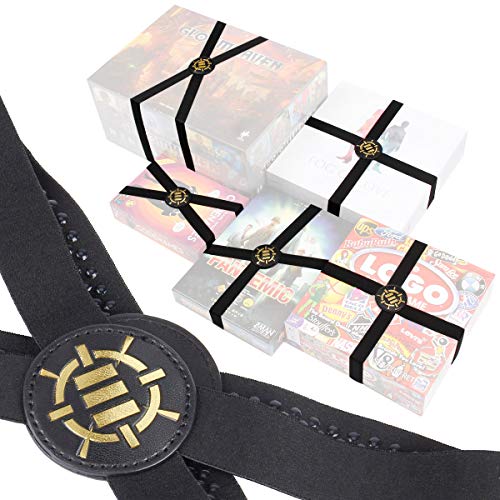
Card games live and die by their cards, and small games often get played a lot because they're quick to set up. Sleeve the ones you shuffle constantly to protect faces and edges and to hide back wear, and store the decks upright in a divider box so sleeves don't bow. For games with lids that creep open on a shelf, a silicone box band holds everything shut. A sleeved, sorted card game in a sturdy box outlasts the same game left loose in a tearing retail box by years.