The two risks: crushing and scattering
Moving threatens board games in two ways. Boxes get crushed under heavier items or by their own weight when stacked deep, and components scatter inside the box when it's tipped, jostled, and stored on end for days. Both are avoidable with a little prep, and the prep is the same prep that protects games at home — secure the components, then protect the box.

Secure the components first
Before a box ever goes in a moving carton, lock down what's inside.
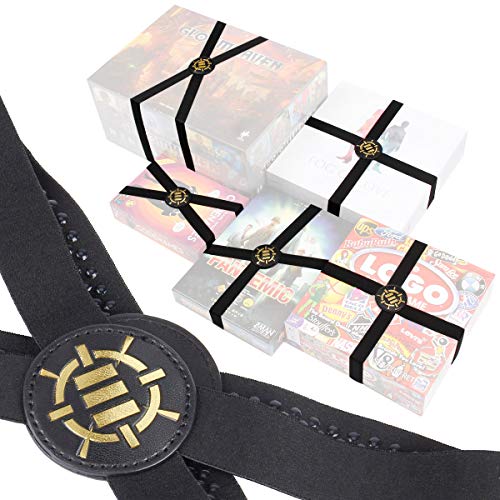
- Bag or band loose components so they don't redistribute across the box in transit.
- An adjustable-divider organizer holds bits in place far better than baggies rattling around.
- Put a sheet of foam or cardboard under the lid of loosely-packed boxes to stop shift.
- Tape shouldn't touch the box art — band the box closed or pack it snug instead.

Pack the boxes to survive the truck
Game boxes are not structural, so they need help. Pack them upright on their spines like books inside a sturdy moving carton — upright boxes resist crushing far better than a flat stack, which puts all the weight on the bottom box. Fill gaps so nothing slides, keep the heaviest games at the bottom of the carton, and never let non-game items press down on a box of games. A padded bag or case is worth it for the few favorites you want to hand-carry.
Use sealed totes for anything going into storage
If games go into storage between homes rather than straight onto a new shelf, packing changes. Don't pack cardboard game boxes inside cardboard moving boxes and leave them in an uncontrolled space — the outer cardboard wicks moisture and can grow mold, and it collapses under stacking. Sealed plastic totes are the safer container for a storage stint: they lock out humidity, pests, and water, and they stack without crushing. Drop a few silica gel or desiccant packets into each tote to fight the ambient moisture that curls cards and warps boards over weeks.
Mind the climate while games are in storage
Storage between homes is where climate matters most, because no one is checking on the games. Avoid hot attics, damp basements, and un-cooled units — heat warps boards and softens plastic, while humidity curls cards and grows mildew. Keep the totes raised off the floor so a leak or flood doesn't reach them, leave an air gap off cold exterior walls, and keep everything out of direct sun. Don't stack deep enough to crush the bottom layer, and if the move drags on, look in when you can and check the desiccant. The same upright, organized, climate-aware approach that protects a collection on a shelf protects it in a storage unit.